Fireproof aluminum composite panels:A Critical Innovation in Modern Construction
Fireproof aluminum composite panels:A Critical Innovation in Modern Construction

Fireproof aluminum composite panels have become indispensable in modern architecture due to their lightweight, durability, and design flexibility. However, their widespread adoption faced significant challenges due to fire safety concerns, particularly when traditional polyethylene (PE) cores are used. To address these issues, fire-resistant aluminum composite panels have emerged as a transformative solution, combining high performance with enhanced safety standards. This article explores the advancements, benefits, and applications of fire-resistant ACPs.
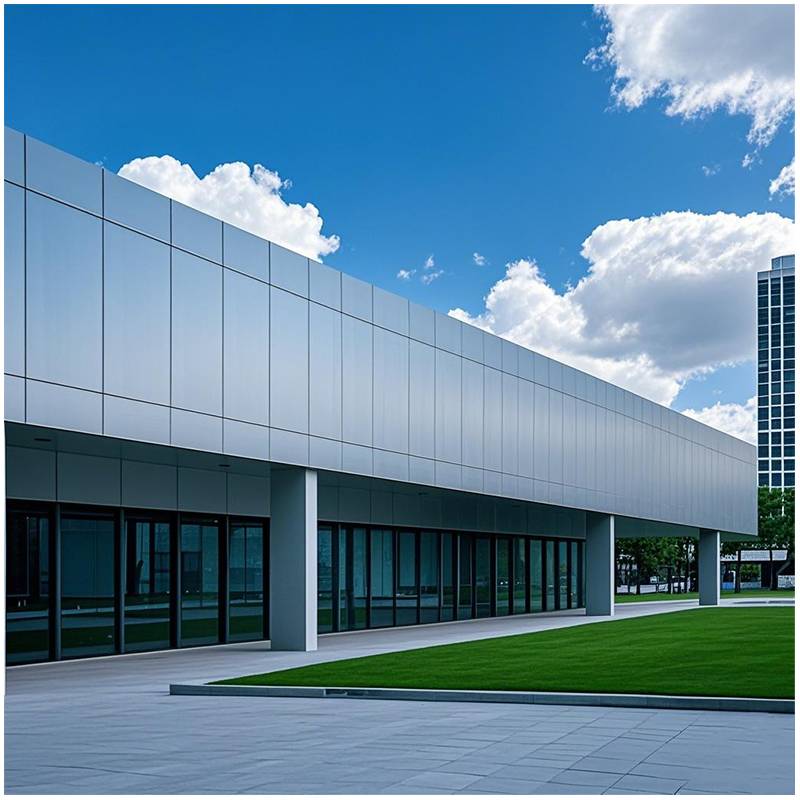
Fireproof aluminum composite panel
Core Innovations for Fire Resistance
Traditional ACPs rely on PE cores, which are flammable and pose fire hazards. Fire-resistant variants replace or treat the core with non-combustible materials, such as:
Mineral Fillers: Aluminum hydroxide or magnesium hydroxide release water vapor when heated, slowing flame propagation.
Fire-Retardant Polymers: Modified thermoplastics char instead of burning, forming a protective barrier.
Stone Wool or Ceramic Layers: Inorganic materials provide thermal insulation and prevent delamination under heat stress.
These cores are integrated through advanced co-extrusion or lamination, ensuring seamless bonding between aluminum skins and the fire-retardant core.
Key Advantages
Enhanced Fire Safety: Achieve Class A2 or UL94 V-0 ratings, significantly reducing fire spread and smoke toxicity.
Thermal Stability: Resist temperatures up to 800°C without compromising structural integrity.
Compliance with Regulations: Meet stringent global codes for high-rise buildings, tunnels, and public spaces.
Design Flexibility: Maintain ACPs’ aesthetic versatility with finishes like metallic, matte, or digital prints.

Fireproof aluminum composite panel
Applications
Fire-resistant ACPs are critical in:
High-Rise Structures: Exterior cladding and curtain walls to meet fire codes.
Transportation Infrastructure: Airports, metro stations, and tunnels requiring rapid evacuation.
Commercial Spaces: Hospitals, hotels, and malls prioritizing occupant safety.
Industrial Facilities: Warehouses and factories exposed to fire risks.
Sustainability and Future Trends
The industry is shifting toward eco-friendly formulations, such as bio-based additives and recyclable mineral cores, aligning with green building standards like LEED. Innovations like nano-coatings and hybrid materials promise even greater fire protection while reducing environmental impact.
Conclusion
Fire-resistant aluminum composite panels exemplify how material science addresses critical safety challenges without compromising functionality. By integrating advanced fire-retardant cores, these panels offer architects and engineers a versatile, durable, and code-compliant solution for contemporary construction. As urban landscapes grow increasingly complex, fire-resistant ACPs will remain essential in shaping safer, more resilient built environments.